


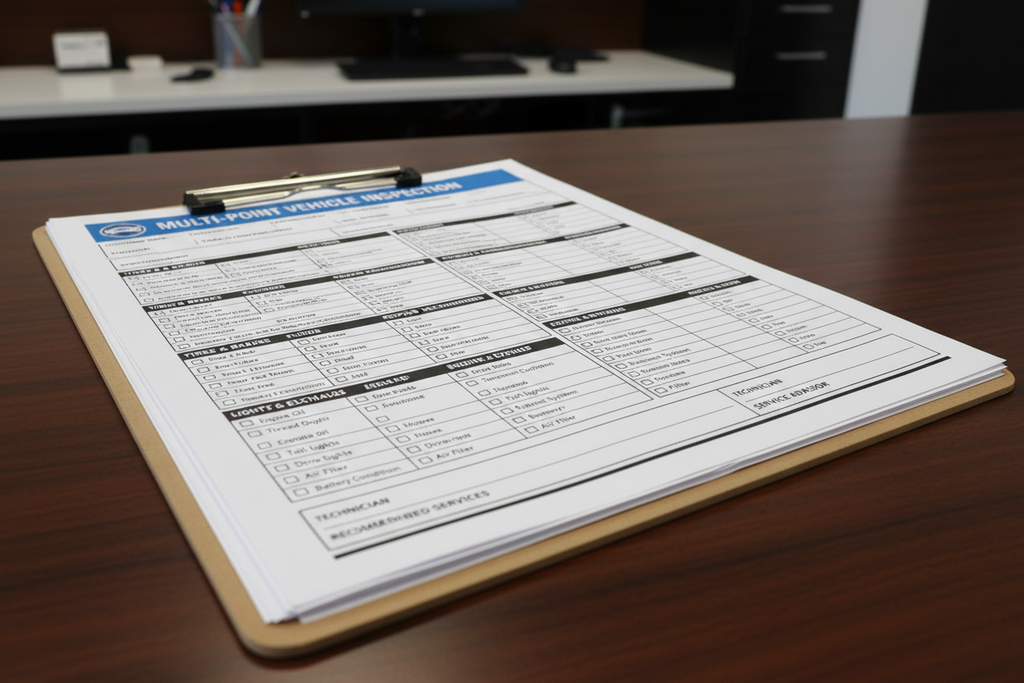
If you work in auto repair, dealerships, or fleet management, a vehicle inspection sheet is one of the most important tools in your world. Though it seems basic, this form keeps things running smoothly behind the scenes. When details get recorded clearly, mistakes happen less often. It tracks what was checked, who did the check, and when it happened. Without it communication between teams can break down fast.
Auto inspection sheets help to ensure consistency, protects your business, and improves customer trust.
In this guide, we’ll break down:
- The different types of inspection sheet
- Timing decides which option fits best
- Examples and templates
- How to choose the right format for your business
What is a Vehicle Inspection Sheet?
- It documents vehicle condition at intake
- Identifies mechanical or cosmetic issues
- Standardizes technician workflows
- Provides transparency to customers
Common use cases for using a inspection sheet are:
- Dealership service lanes
- Auto repair shops
- Fleet maintenance programs
-
Pre-sale inspections
For a simple intake check-in sheet, here’s a good place to start.
Types of Vehicle Inspection Sheets

1. Vehicle Check-In Sheets
Best for: Service intake and documenting the vehicles condition before work begins.
- Captures mileage, damage, and customer concerns
- Protects against disputes
- Often used at dealerships and quick service shops
Example: https://usautosupplies.net/products/vehicle-check-in-sheet
2. Multi-Point Inspection Forms
Best for: Comprehensive inspections and upsell opportunities.
- Covers all major vehicle systems (brakes, tires, fluids, battery, etc.)
- Creates a consistent inspection process across technicians
- Helps uncover additional service needs in a structured, non-pushy way
- Makes it easier to communicate recommended work to customers
Example: https://usautosupplies.net/products/multi-point-vehicle-inspection-form
3. 27-Point Inspection Checklists
Best for: Quick but structured inspections.
- Provides a standard checklist to ensure all critical areas of the vehicle are reviewed.
- Helps technicians stay consistent.
- Ensures important systems aren’t overlooked during routine maintenance.
- Makes it easy to document issues and recommended repairs.
A 27-point inspection strikes the right balance between speed and thoroughness. It helps service teams quickly evaluate a vehicle while still covering all essential components.
It also improves the customer experience by clearly showing what was inspected, what’s in good condition, and where additional maintenance or repairs may be needed. This level of transparency builds trust and makes service recommendations easier to understand and approve.
Example: https://usautosupplies.net/products/27-point-inspection-checklist
4. OEM-Specific Inspection Sheets
Best for: Dealerships and shops that service specific vehicle brands. (like Toyota, Nissan, or Chrysler)
OEM-specific inspection sheets are designed to match the exact standards and expectations of a vehicle’s manufacturer. Instead of using a generic checklist, these forms follow the same structure and inspection points that dealerships use.
- Built around manufacturer-specific service guidelines
- Aligns with how each brand recommends inspecting their vehicles
- Creates a more professional, dealership-level experience
- Helps ensure nothing brand-specific is missed during inspection
When you handle the same vehicle brands often, these tools make sense. Because they reflect how dealerships run inspections, shops look more consistent. Technicians follow trusted steps - this keeps work steady. Customers feel assured knowing checks match what the manufacturer expects. Trust builds when processes feel familiar. Standards matter most when every detail counts.
Examples: https://usautosupplies.net/products/toyota-multipoint-inspection-sheet
5. Custom Inspection Forms
Best for: Shops with unique workflows or branding.
- Add your logo, service categories, and inspection points
- Align forms with your specific services
- Fuly customizable
Example: https://usautosupplies.net/products/custom-multi-point-inspection-forms
Vehicle Inspection Sheet Template & What to Include
A solid inspection sheet should include:
- Vehicle information (VIN, mileage, make/model)
- Customer details
- Visual damage diagram
- Tire condition and tread depth
- Brake system check
- Fluid levels
- Notes and recommendations
- Technician sign-off
If you need ready to use templates, browse: https://usautosupplies.net/products/vehicle-inspection-worksheets
Choosing an inspection sheet
This depends on your buisness and workflow
- When handling large quantities of orders, consider using a 27-point checklist instead. Alternatively, structured check-ins may serve just as well under heavy loads
- Dealership? Use multi-point or OEM-specific forms
- Fleet management? Use detailed inspection worksheets
- Curious about boosting additional sales? Try incorporating multiple checkpoints during service evaluations
Inspection sheets help keep track of work
Using standardized inspection forms can:
- Increase service revenue through better visibility
- Reduce liability and disputes
- Improve technician efficiency
- Build customer trust with documented transparency
Final Thoughts
No matter what you call it, a vehicle inspection sheet serves one core purpose: creating a clear, consistent way to evaluate and document a vehicle’s condition.
Using a standardized format helps eliminate confusion and reduce errors. When everything is recorded the same way each time, it’s easier for technicians to stay consistent and for customers to understand what was checked and why.
It also builds accountability. Clear documentation shows the work that was done and helps prevent small issues from turning into bigger problems down the line. Over time, these routine inspections reflect the level of care and professionalism your shop brings to every job.
Comments