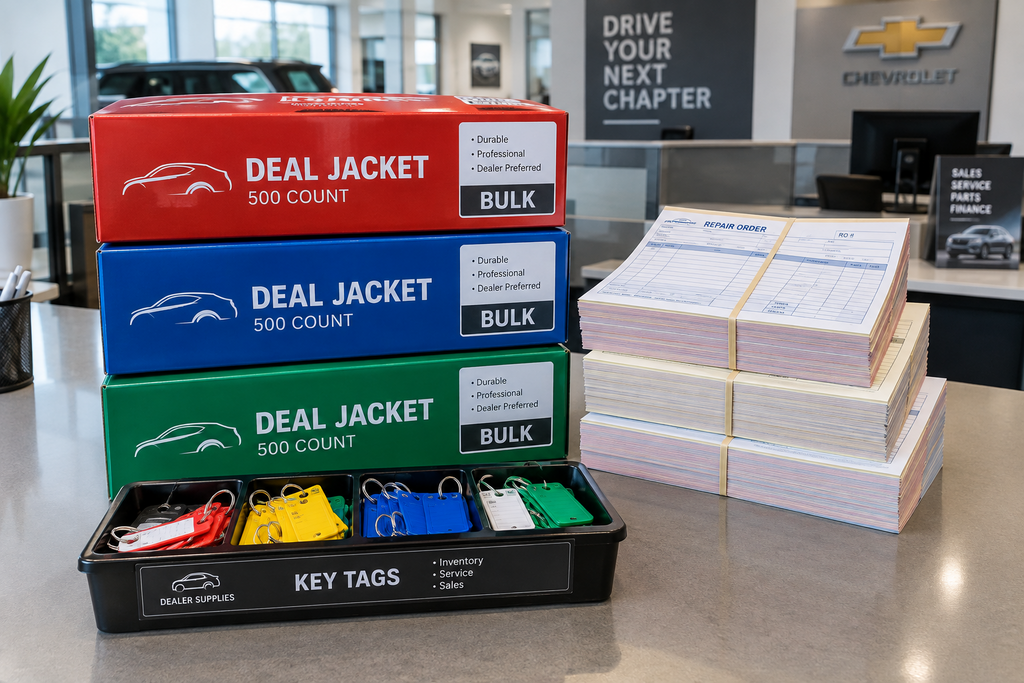
This guide covers what to stock by department, what's worth buying in bulk (and what isn't), stock vs. custom printing, how to estimate a year's usage, and how dealer groups can order for multiple rooftops.


This guide covers what to stock by department, what's worth buying in bulk (and what isn't), stock vs. custom printing, how to estimate a year's usage, and how dealer groups can order for multiple rooftops.

Learn how to choose the right custom dealer license plate insert for your dealership. Compare 18 mil, 23 mil, 35 mil, and 55 mil polyethylene options, one color vs. full color printing, and simple branding strategies that help turn dealership vehicles into mobile advertising.
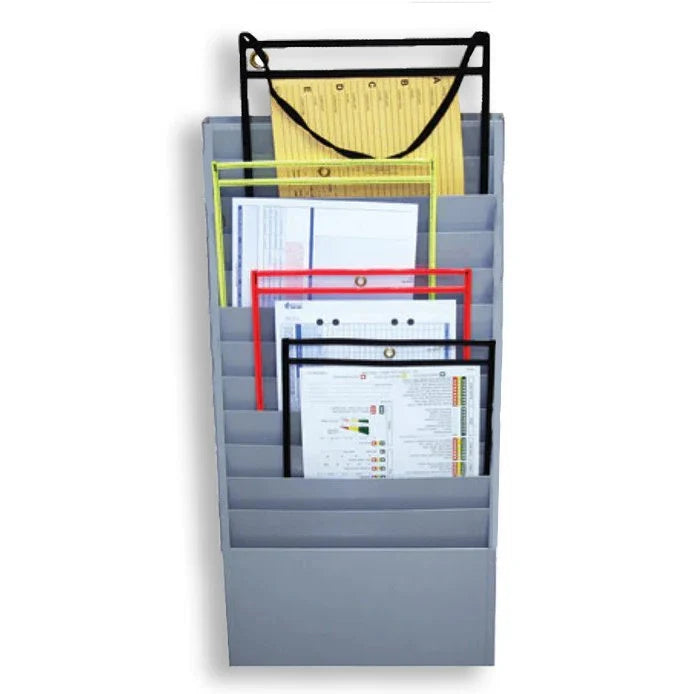
Compare 12- and 18-pocket steel repair order racks, side key holders, and ticket control systems to organize work orders and vehicle keys.

Not sure where to get car lot streamers or how many you actually need? Here's the full rundown on types, colors, and setup so your lot looks sharp all season.
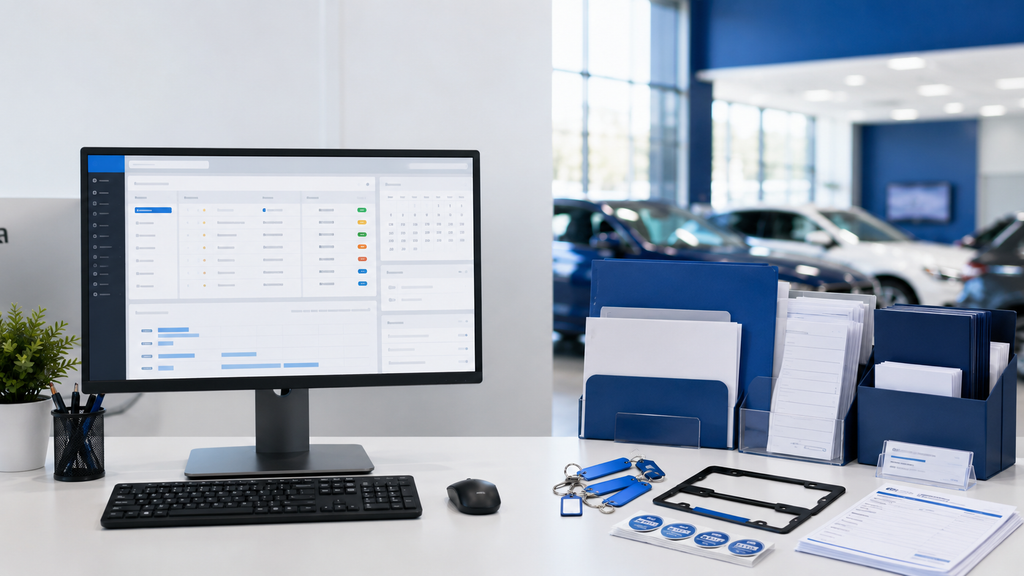
Not all dealership supplies have to come from your DMS provider. Learn the differences between buying from companies like Reynolds & Reynolds, Dealertrack, and CDK Global versus an independent dealership supplier, and discover which option is best for your dealership's forms, branding products, and everyday operational supplies.

Violations of the FTC's Used Car Rule carry penalties of up to $53,088 — per vehicle. This guide covers exactly what the Buyers Guide requires: which vehicles need one, where it has to be posted, As Is vs. Implied Warranties, the Spanish-language rule, and the printing format most dealers don't know about.

Every vehicle your dealership delivers is a moving advertisement. Custom dealer license plate frames keep your dealership's name visible long after the sale while adding a professional finishing touch to every vehicle. But not all license plate frames are the same. In this guide, we'll compare raised letter, screen printed, and chrome-faced dealer license plate frames, explain their production times, and help you choose the right option for your dealership.
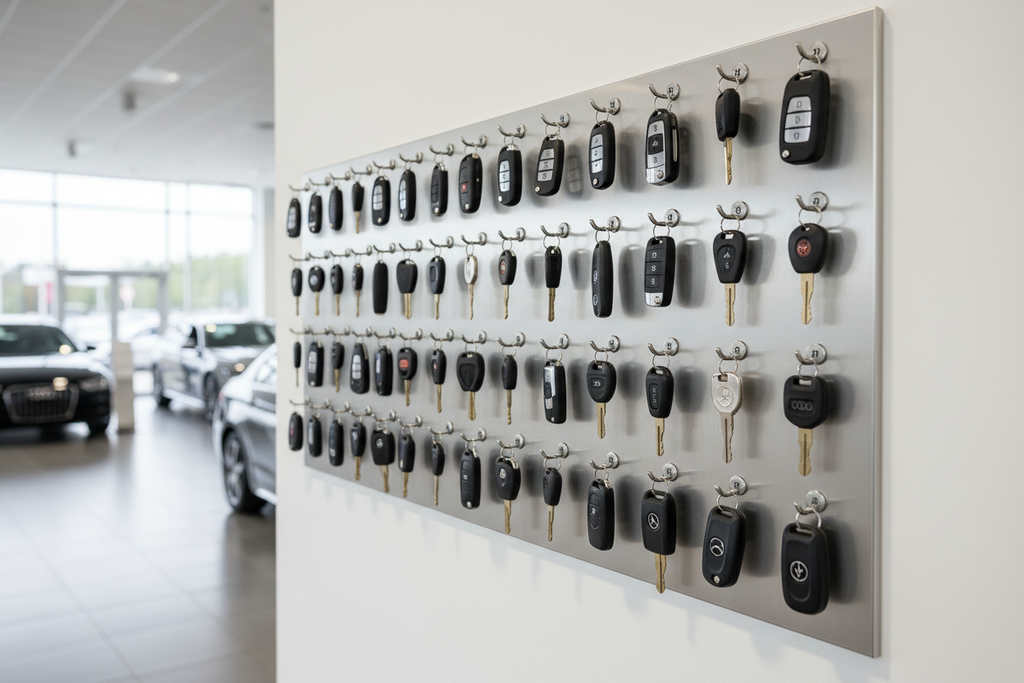
A key hook board is a portable or wall-mounted panel with spring-loaded hooks designed to safely store and organize vehicle keys in automotive environments. Car dealerships, auto service departments, valet services, and parking operations all rely on them to prevent lost keys, speed up lot management, and keep daily operations running smoothly.
If you're setting up a key control system for the first time or upgrading an outdated one, this guide covers everything you need to know: the types available, how to size one for your operation, key features to look for, and how to build a complete system around your boards.

If your dealership or auto shop operates in California, or sells vehicles to California customers, Proposition 65 compliance is not optional. This guide breaks down exactly what you need to know, what's required on every vehicle, and how to stay protected from fines that can reach $2,500 per violation per day.